
What is terry cloth?
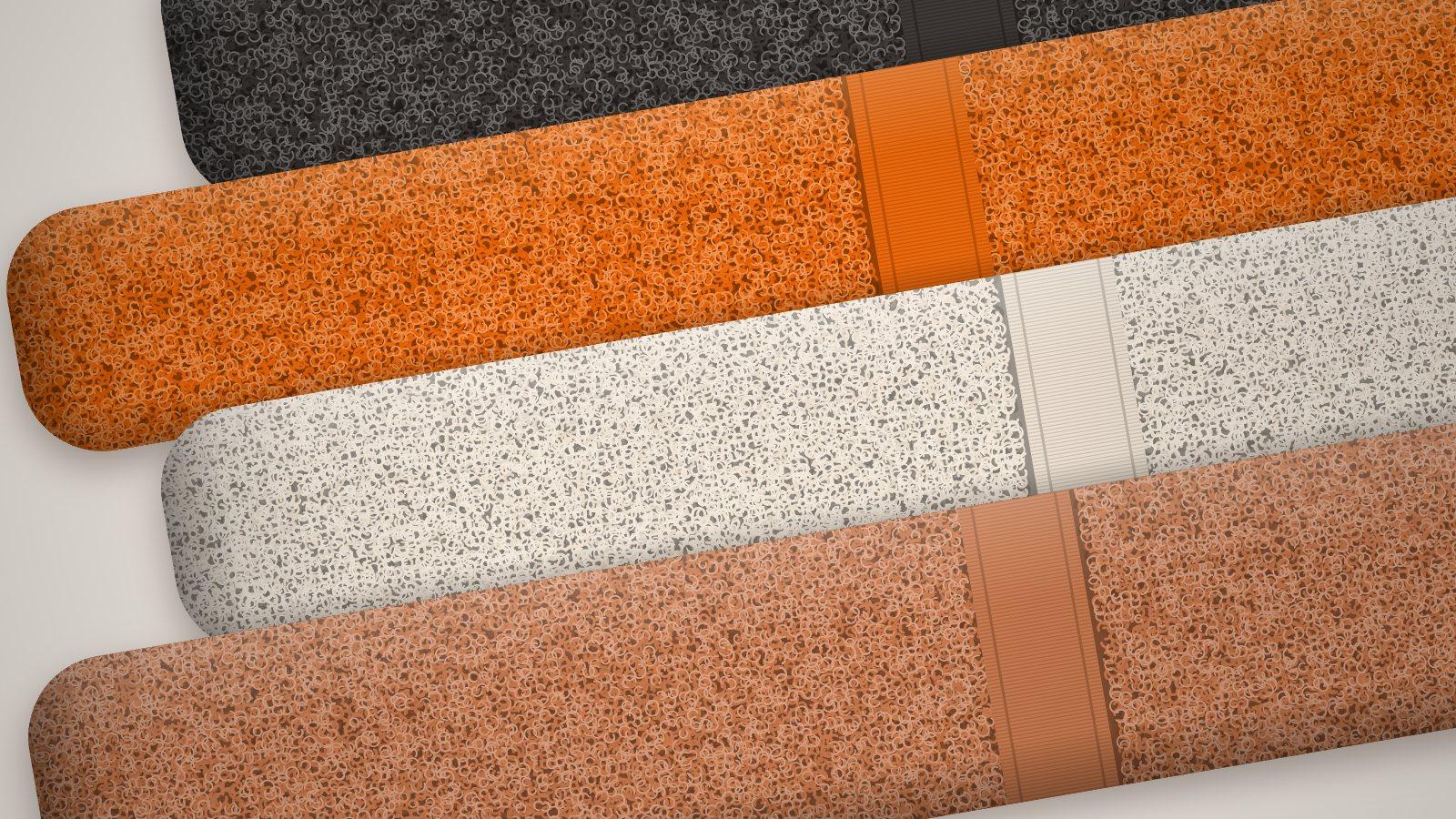
Terry cloth is a fabric with loops of yarn standing up from its surface, usually on both sides. The loops are left uncut, and that is the point: every loop adds surface for water to cling to, so terry soaks up far more than a flat fabric of the same weight. It is the fabric of bath towels, bathrobes, beach towels, sweatbands and the cushioned soles inside sports socks, and it has a second life in clothing as terry shorts, polos and matching sets.
The names vary. In Britain and Australia it is usually towelling or terry towelling; in the US, terry cloth, terrycloth or simply terry. Textile people call it a loop pile fabric. Pile is any surface of raised yarn, like the tufts of a carpet or the nap of velvet, and terry's pile is made of loops.
Terry cloth is not the same as French terry, the soft knit used for hoodies and joggers, although the two are related. French terry has loops on the back only and a smooth face, and it stretches. The comparison further down shows how terry and its relatives differ.
How terry cloth is made
Most terry is woven, on looms built for it. An ordinary woven fabric has one set of lengthwise yarns, the warp, and a crosswise yarn, the weft, laid one row at a time; each row is called a pick. A terry loom has two warps on two separate beams. The ground warp is held tight and weaves with the weft into a firm base cloth. The pile warp is let off loose, and that slack yarn becomes the loops.
Inside woven terry: two warps and a row of picks
- Pile warp: fed in loose, so it buckles into the loops.
- Ground warp: held tight; it makes the base cloth.
- Weft picks: the crosswise yarns, seen end-on, in groups of three.
The loops come from the way the reed moves. The reed is the comb that pushes each new pick into place against the fell, the edge of the finished cloth. In the most common method, three-pick terry, the first two picks are beaten only part of the way and stop short of the fell. The third pick goes in, and the reed then drives all three home together. The picks slide easily along the tight ground warp, but they grip the loose pile warp and drag it with them, so it buckles up and down into loops.
How a terry loom makes the loops
1. Two picks stop short
The reed beats the first two weft picks only part of the way, leaving a gap before the edge of the cloth (the fell).
2. The third pick goes in
A third pick is laid. The ground warp (blue) is held tight, while the pile warp (orange) is let off loose.
3. All three are pushed home
The reed drives the three picks to the fell. They slide along the tight ground warp but drag the loose pile warp with them, and it buckles up and down into loops.
Because the loops come from a separate warp, the mill controls them precisely. Feeding in more pile yarn gives longer loops. Leaving the pile out of an area gives the flat woven bands you see across the ends of a towel. A jacquard terry loom lifts pile yarns individually, which is how logos and patterns are woven into towels rather than printed on.
After weaving, terry is usually bleached and dyed, dried, finished, cut and hemmed. This tour of a towel mill in Georgia, from Georgia Public Broadcasting, follows the whole process, from winding yarn onto the warp beams to sewing the hems:
Terry can also be woven by hand. In this short documentary from D'source, an Indian design education resource, a family business in Madurai prepares the yarn and weaves terry towels on wooden handlooms:
Knitted terry is made on circular knitting machines. A ground yarn knits the base fabric, while a second yarn is laid over a raised edge on the sinkers, the thin plates between the needles, so it forms longer loops that stand out as pile. Knitted terry stretches, so it is used more for clothing, baby wear and socks than for towels. French terry is a close cousin: a knit with a smooth face and loops on the back only.
Where terry cloth comes from
Fabrics with a pile of uncut loops are ancient: they were woven in ancient Egypt and in pre-Columbian Peru. The terry towel as we know it is usually traced to Bursa, in Ottoman Turkey. Bathers there used the peshtamal, a flat woven cloth, and by the 18th century weavers were adding loops to it. The looped towel was called "havly", which became "havlu", the Turkish word for towel. It means "with loops".
Industrial terry began in England. The towel maker Christy started factory production in 1850, based on hand-woven terry seen in Turkey and on a loom mechanism designed by one of its staff, Samuel Holt, and sold the cloth as "Royal Turkish Towels", a name Queen Victoria approved. Terry towels became common in the US after the First World War, and machine-made terry sold by the yard made them affordable for everyone.
Nobody is sure where the word "terry" comes from. One suggestion is the French tiré, meaning "pulled" or "drawn", a word first used for uncut velvet. In clothing, terry has long been a poolside and beach fabric, from robes and cover-ups to towelling shirts and polos, and it has come back in recent years as resort wear: terry shorts, shirts and matching sets.
Types of terry cloth
- Two-sided woven terry: loops on both faces. The standard for bath towels, robes and beach towels, and the most absorbent kind.
- One-sided terry: loops on one face only, with a flat back.
- Terry velour: terry with the loops on one face sheared off, leaving a short, velvety cut pile. It looks plusher and takes printing better, but absorbs less. Common on beach towels and robes.
- Jacquard and sculpted terry: patterns woven in, either by lifting pile yarns individually or by mixing long loops, short loops and flat areas.
- Knitted terry: a knit base with loops on one or both faces. It stretches, so it is used for baby clothes, robes, socks and some terry clothing.
- French terry: a knit with a smooth face and loops on the back. The standard fabric for all-season hoodies, joggers and sweat shorts.
- Microfibre terry: short loops of very fine polyester or nylon. Light and quick-drying, for gym and travel towels, and it can be sublimation printed.
- Low-twist and zero-twist terry: loops made from yarn with little or no twist. Softer and quicker to absorb, but less hard-wearing.
Terry and its relatives, in cross-section
Terry cloth (towelling)
A woven base with uncut loops on both faces. The most absorbent of the four; used for towels, bathrobes and beachwear.
Terry velour
Terry with the loops on one face sheared off, leaving a soft, velvety cut pile. Looks plusher and prints better, but absorbs less.
French terry
A knit with a smooth, jersey-like face and soft loops underneath. It stretches; used for hoodies, joggers and shorts.
Brushed fleece
The same knit as French terry, with the loops underneath brushed into a fluffy pile. Warmer, but not a towel fabric.
Terry cloth vs French terry vs velour vs fleece
These four fabrics are often confused because they all have loops, or started with them. The difference is whether the loops stay as loops, whether they are on one face or both, and whether the base is woven or knitted.
| Terry cloth | French terry | Terry velour | Brushed fleece | |
|---|---|---|---|---|
| How it's made | Usually woven, sometimes knitted | Knitted | Terry with one face sheared | Knitted, then brushed |
| Surface | Uncut loops, usually on both faces | Smooth face, loops on the back | Velvety cut pile on one face, loops on the other | Smooth face, fluffy brushed back |
| Stretch | None when woven | Yes | Little or none | Yes |
| Absorbency | Highest | Moderate | Good, below terry | Moderate; made for warmth |
| Feel | Nubby and textured | Soft, slightly textured inside | Plush and smooth | Fluffy and warm |
| Best for | Towels, robes, cover-ups, terry shorts and polos | Hoodies, joggers, sweat shorts | Robes, beach towels, printed towels | Autumn and winter hoodies and sweatshirts |
Our French terry vs fleece guide compares the two knits in more detail, including weights for hoodies and joggers.
Why terry cloth absorbs so much water
Three things decide how well terry soaks up water: the fibre, the loops and the yarn.
- The fibre. Cotton takes up water readily, which is why most terry is cotton. Polyester and nylon hardly absorb water into the fibre at all; microfibre terry works instead by trapping water between its very fine fibres.
- The loops. Every loop adds surface for water to cling to. Longer loops have more surface, so they absorb more, and denser loops pack more surface into every square metre.
- The yarn. Tightly twisted yarn is strong but slower to absorb. Low-twist and zero-twist yarns leave the fibres looser, so the loops feel softer and take up water faster, at some cost to strength.
New terry often absorbs less than it will after a few washes, because finishing chemicals on new fabric wash out. Fabric softener works the other way: it leaves a water-repelling film on the fibres that builds up wash after wash, which is why towel makers advise skipping it.
Terry cloth weight (GSM)
Terry is sold by weight in grams per square metre (GSM). There is no official scale, and retailers draw the lines in different places, but these bands are typical for towels:
| Weight | GSM | What it's like | Typical uses |
|---|---|---|---|
| Light | 300–400 | Thin, quick to dry, packs small | Gym, kitchen and beach towels; lighter terry clothing |
| Medium | 400–600 | The everyday balance of softness and drying time | Bath towels and robes |
| Heavy | 600–900 | Thick and plush, slow to dry | Hotel and spa towels, heavy robes |
A higher GSM means more pile: more absorbency and a plusher feel, but more weight to ship and a longer drying time. Clothing terry sits at the light end, because a shirt or shorts in bath-towel terry would be heavy, stiff and hot. GSM measures weight, not quality: a light towel in good long-staple cotton can outlast a heavy one in cheap yarn. Our GSM guide explains how fabric weight is measured.
What terry cloth is made from
- Cotton is the standard: absorbent, soft and fine to wash hot. Combed and ring-spun cotton make smoother, stronger yarn, and long-staple cottons such as Egyptian or Pima make the softest, longest-lasting loops. Our ring-spun vs combed cotton guide explains the difference.
- Cotton-polyester blends dry faster, shrink less and hold their color, at some cost to absorbency and softness.
- Microfibre, very fine polyester or nylon, is light and quick-drying, and its white versions take sublimation printing. See polyester vs nylon for how the two fibres compare.
- Bamboo viscose and other regenerated fibres are soft and absorbent, and are usually blended with cotton.
- Linen terry exists but is rare. It is crisper than cotton and dries faster.
What terry cloth is used for
Towels and bathrobes are the big uses, but terry turns up across clothing and accessories. The table shows roughly how many people search for each product in the US every month, from Google Ads keyword estimates for November 2026, as a guide to demand:
| Product | Why terry | US searches a month |
|---|---|---|
| Terry cloth robes | Absorbs water after a bath or swim and stays warm | 18,100 |
| Terry towels | The original use: as much absorbency as possible | 6,600 |
| Terry shorts | Soft, absorbent and easy to throw on at the beach or pool | 2,400 |
| Terry dresses and rompers | Easy beach and resort cover-ups | 1,600 and 1,000 |
| Terry shirts and polos | A classic poolside and resort look | 1,300 and 590 |
| Terry sets | Matching shirt and shorts, or a tracksuit-style set | 720 |
| Headbands, sweatbands and wristbands | Soak up sweat during sport | 720, 590 and 260 |
| Terry pants | Lounge and beach trousers | 590 |
| Swim cover-ups | Dry off and cover up in one; pairs with swimwear | 590 |
| Terry hoodies and jackets | Light, absorbent layers, often in French terry | 480 and 260 |
| Terry bucket hats | A soft, packable summer hat | 320 |
Terry also hides inside other products. The cushioned sole of most sports socks is knitted terry loops, and baby bibs, burp cloths and reusable nappies use terry for the same reason towels do.
Making clothes from terry cloth: what to plan for
Terry behaves differently from the jersey and twill most brands are used to. These are the points to settle at the sampling stage:
- Choose knit or woven terry first. Woven terry has almost no stretch, so it is cut with ease like a woven shirt, and a closer fit needs darts, a placket or an elastic waist. Knitted terry and French terry stretch, so they can fit closer. Our knit vs woven guide explains what that changes in the pattern.
- Plan for shrinkage. Cotton terry can shrink noticeably in the first hot wash and tumble dry. Ask for pre-shrunk fabric, wash-test the sample the way your customers will wash it, and approve sizes on the washed sample.
- Keep seams flat. Thick loops make bulky seams. Lighter terry and flat seams help, and collars, cuffs and plackets can be cut in a rib knit or a lighter fabric to keep them neat.
- Finish every cut edge. Cut terry sheds loose loops and lint, so raw edges need overlocking or binding. New dark terry also sheds some lint in its first washes.
- Mind the snags. Loops catch on hook-and-loop fasteners, zips and jewellery. Shorter, denser loops snag less, which suits clothes worn every day.
- Match the weight to the garment. Light terry for shirts, dresses and sets; heavier terry for robes and cover-ups.
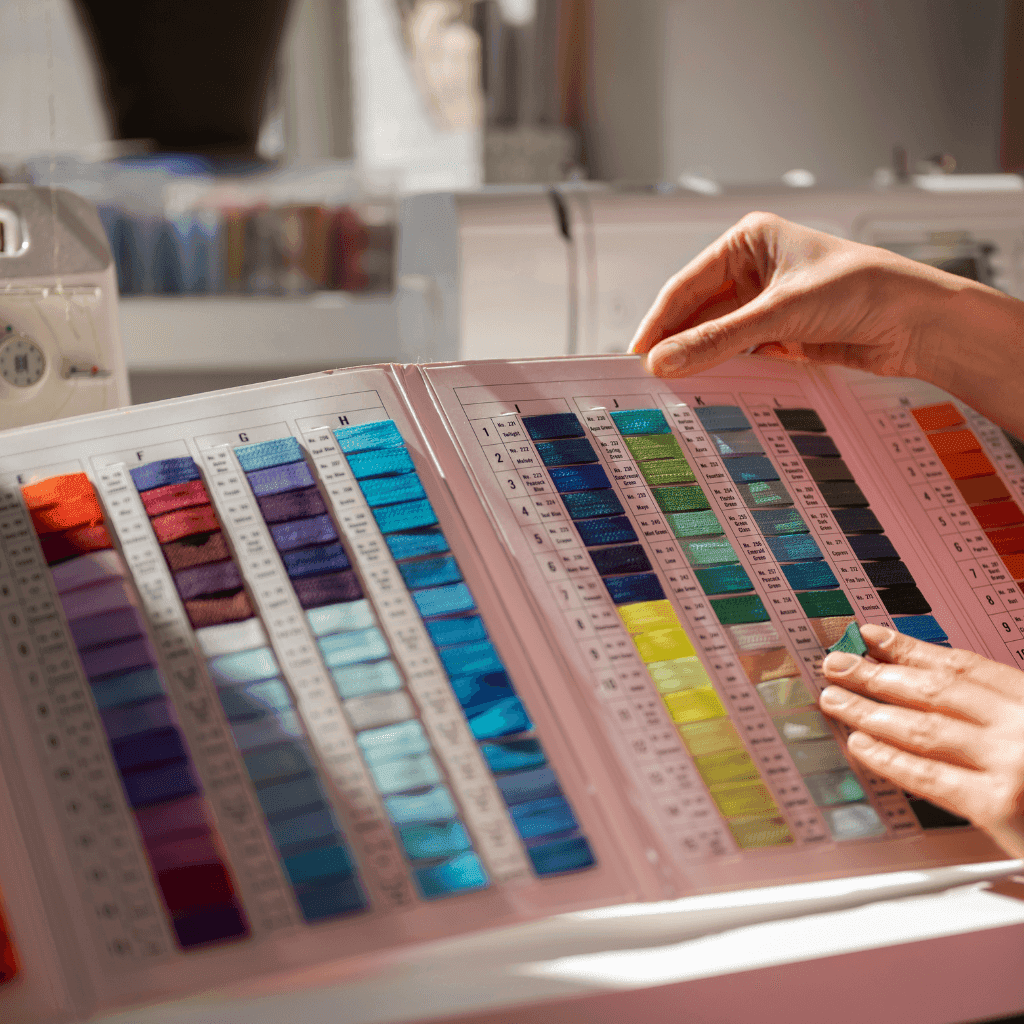
- See the fabric before bulk. Two terries of the same GSM can differ a lot in loop height, density and softness, so approve a physical swatch or sample, not a photo.
Printing and embroidering terry cloth
The loops that make terry absorbent also make it harder to decorate. Each method copes differently:
- Embroidery is the classic choice and suits terry well. A water-soluble topping is laid over the loops so the stitches sit on top, or a light layer of knockdown stitches flattens the area first. Bold, solid designs work better than fine lettering. Our embroidery vs screen printing guide covers the trade-offs.
- Screen printing works for bold graphics, but the ink settles into the loops, so edges look less crisp than on flat fabric.
- DTF transfers sit on top of the loops and feel textured on deep pile. They work best on the smoother face of terry velour or low-pile terry. See DTF vs screen printing.
- Sublimation only works on polyester, so it is used on microfibre or polyester velour terry, not cotton. See sublimation printing.
- Labels and patches avoid the problem: a woven label or a sewn-on patch carries a logo cleanly without fighting the loops.
Why embroidery on terry needs a topping
Without a topping
The stitches sink between the loops and loops poke up through the design, so lettering looks broken and thin.
With a water-soluble topping
A thin film laid on top flattens the loops while the design is stitched, then washes away. The stitches sit on the surface.
This tutorial from Ballyhoo Creations embroiders three terry towels, compares toppings and knockdown stitches, and checks the results after washing. It starts at the section on taming the pile:
How to care for terry cloth
- Wash before first use to remove finishing residues; new terry absorbs better after a wash or two.
- Skip fabric softener. It coats the loops and makes terry less absorbent over time.
- Wash warm and dry thoroughly. Terry holds a lot of water, so dry it fully before folding it away to avoid musty smells.
- Wash dark colors separately for the first few washes, since new terry can shed lint and dye.
- Go easy on heat. Very hot tumble drying increases shrinkage in cotton terry.
- Trim snags, don't pull them. Cut a pulled loop level with the surface; pulling it can drag out neighbouring loops.
How to specify terry cloth in a tech pack
For a terry garment, the fabric line in your tech pack should cover:
- Fibre and yarn: for example 100% combed cotton, or an 80/20 cotton-polyester blend.
- Construction: woven terry, knitted terry, French terry or terry velour.
- Loops: on both faces, one face, or sheared on one face, plus loop length if you have a reference.
- Weight: GSM with a tolerance, such as 320 GSM ±5%.
- Color: a Pantone reference or a physical color standard.
- Finish and shrinkage: pre-shrunk, with a maximum shrinkage after washing, such as 5% in length and width.
- Decoration: embroidery, print or label, with placement and size.
If you have a reference garment or a swatch, send it: terry is easier to match by touch than by description.
Terry clothing from Nevear
We make hoodies, joggers, sweat shorts and tracksuits in French terry for brands, and we can quote other terry styles, from towelling shorts and polos to matching sets, from your design or a reference garment.
Orders typically start at 50 pieces per item. Samples take 2–3 weeks, and bulk production 3–4 weeks including shipping. Tell us the design and the terry you have in mind, and we'll confirm the fabric options, sampling and price.