
How screen printing works
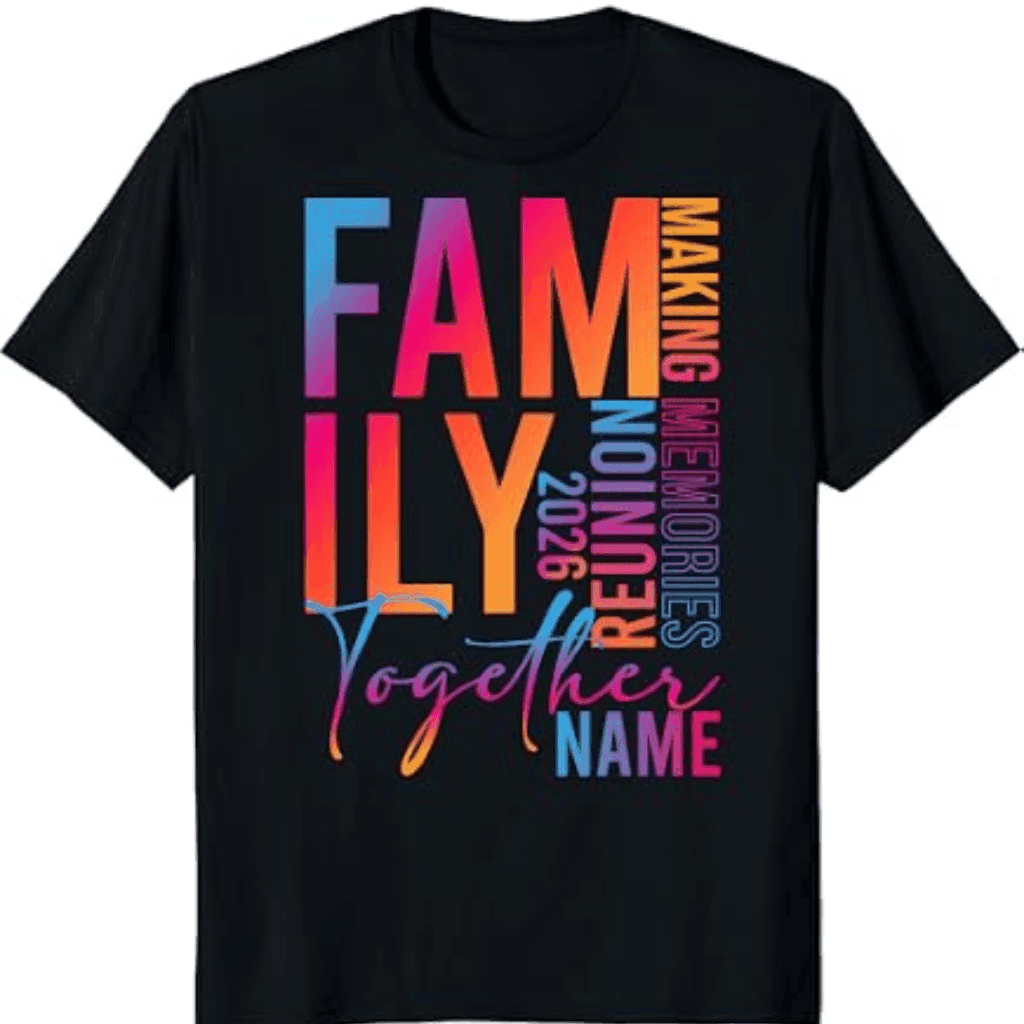
The design is separated into its colors, and each color gets its own screen: a fine mesh with a stencil of that part of the design. Ink, usually plastisol or a water-based ink, is pushed through the screen onto the garment with a squeegee, one color at a time, and then cured with heat.
Making and setting up the screens is the expensive part, and it is paid once per design and color. After that, each print is quick and cheap. Screen printing gives bright, opaque colors, holds up well in the wash, and is the method behind special effects such as puff print, metallic and high-density inks.
How DTG works
DTG (direct to garment) works like an inkjet printer for clothing. The garment is loaded flat and the printer sprays water-based pigment ink into the fabric, so there are no screens and no setup per color. Photos, gradients and designs with dozens of colors cost the same to print as a single color.
DTG ink is made for cotton. On dark garments, a pretreatment liquid is applied and heat-pressed first, and the printer lays down white ink before the colors so they stay bright. That extra step adds time and cost to every dark garment.
Cost per piece: where the lines cross
Cost per print by order size (illustrative)
Pieces in the order
| Pieces | Screen printing | DTG |
|---|---|---|
| 10 | $13.00 | $7.00 |
| 25 | $7.00 | $7.00 |
| 50 | $5.00 | $7.00 |
| 100 | $4.00 | $7.00 |
| 250 | $3.40 | $7.00 |
| 500 | $3.20 | $7.00 |
Screen printing spreads its setup across the order, so the price per piece falls fast and then levels off. DTG costs about the same per piece whatever the quantity. Where the lines cross depends on the design: with one or two colors, screen printing becomes cheaper at a smaller order; with many colors, or a dark garment for DTG, the crossing point moves. It is the same logic as minimum order quantities, explained in our MOQ guide.
Screen printing vs DTG side by side
| Screen printing | DTG | |
|---|---|---|
| Setup | A screen per color | None |
| Best order size | Larger runs of one design | One-offs and small runs |
| Colors | Each color adds a screen | Unlimited, including gradients and photos |
| Feel | Ink sits on the fabric; plastisol can feel thicker | Ink soaks into the fabric; soft on light garments |
| Durability | Very durable when properly cured | Good when pretreated and cured correctly |
| Fabrics | Cotton, blends and polyester with the right ink | Best on 100% cotton |
| Dark garments | Opaque ink covers well | Needs pretreatment and a white ink layer |
| Special effects | Puff, metallic, high density and more | Flat prints only |

What about DTF?
DTF (direct to film) is a third option. The design is printed onto a film with a white layer behind the colors, coated with an adhesive powder and then heat-pressed onto the garment. Like DTG it needs no screens, but it works on cotton, polyester and blends, which makes it useful for small runs on mixed fabrics. The print sits on top of the fabric as a thin, flexible layer, so it feels less soft than DTG on cotton.
Which should you choose?
- 50 or more pieces of one design in a few solid colors: screen printing.
- A photo, gradient or many colors on a small run: DTG on cotton.
- Many designs with only a few pieces each: DTG, or DTF on mixed fabrics.
- Polyester or performance fabrics: screen printing with suitable ink, DTF, or sublimation on light polyester.
- A raised effect: screen printing with puff ink.
At Nevear the minimum is typically 50 pieces per item, and we confirm the print method that suits your design and quantity in your quote. Samples take 2–3 weeks, and bulk orders usually arrive 3–4 weeks from the order date, shipping included. See our t-shirt and hoodie pages for the garments.