
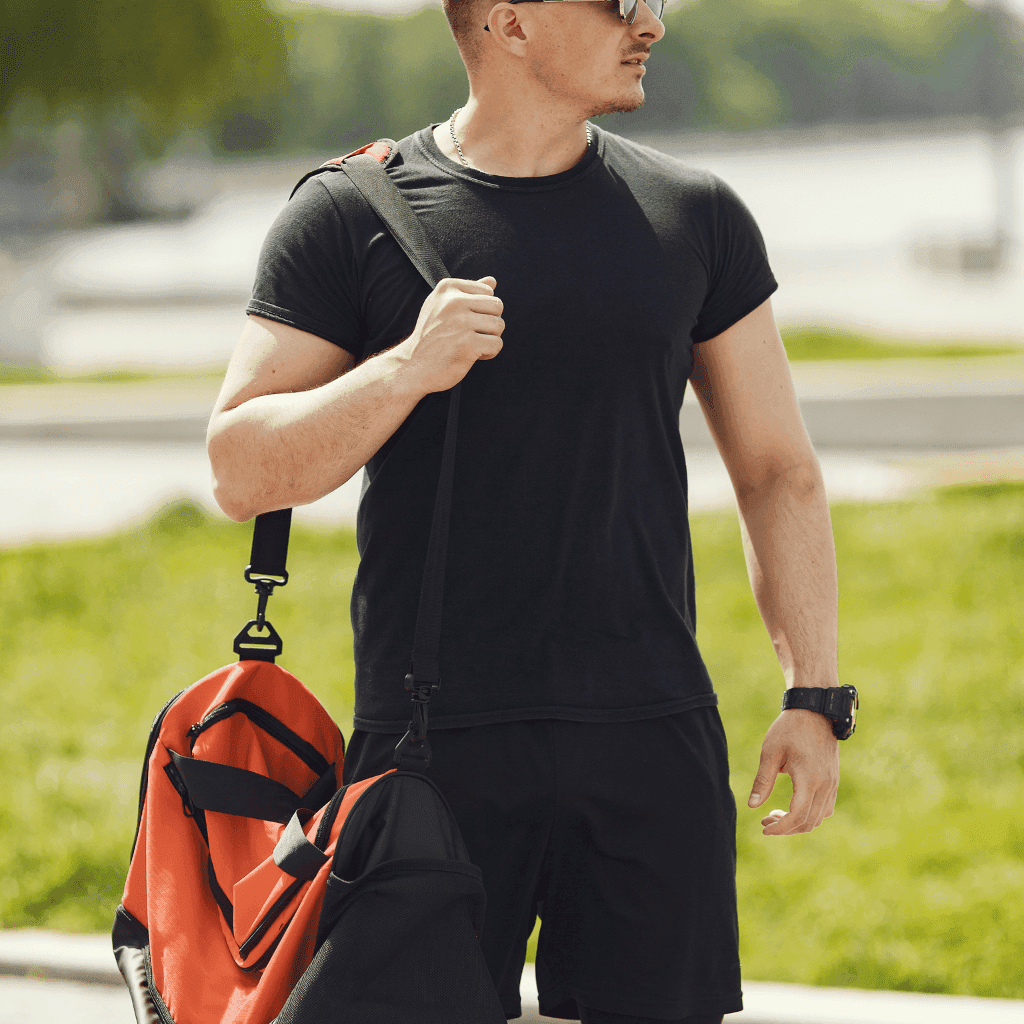
What moisture wicking means
Wicking is liquid moving through a fabric by capillary action, the same effect that draws water up a paper towel. Sweat travels along the tiny gaps between fibres, away from the skin and out to the face of the fabric. There it spreads over a larger area and evaporates faster, so you feel drier.
Where the sweat goes
Cotton
Absorbs sweat into the fibres and holds it, so the fabric gets heavy, clings and feels cold when it is wet.
Wicking knit
Fibres that take up little water carry sweat along and through the fabric to the outside, where it spreads out and evaporates.
Why polyester wicks and cotton does not
The key is how much water the fibre itself absorbs. The EU's fibre-labelling rules use standard moisture allowances that show the difference: 1.5% for polyester, 5.75 to 6.25% for nylon and 8.5% for cotton. A fibre that takes up little water leaves the sweat in the spaces between fibres, where it can move and evaporate. A fibre that soaks it up holds it against the skin.
| Fibre | Water it absorbs | Wicking | Notes |
|---|---|---|---|
| Polyester | Very little | Good | The usual performance fibre; dries fast, can hold odour |
| Nylon | A little more | Good | Softer and stronger; dries a little slower |
| Polypropylene | Almost none | Very good | Used in base layers; hard to dye |
| Merino wool | A lot, as vapour | Moderate | Stays warm when damp and resists odour |
| Cotton | A lot | Poor | Comfortable when dry; heavy and cold when wet |
| Viscose, including bamboo viscose | A lot | Poor | Soft and cool, but slow to dry |
Our polyester vs nylon guide compares the two main performance fibres in more detail.
It is not just the fibre
- Fine filaments. Microfibre yarns made from many fine filaments create more, smaller channels for sweat to travel along.
- Shaped fibres. Some performance polyesters have grooved cross-sections instead of round ones, which move moisture faster.
- Knit structure. Mesh and bird's-eye knits let air through. Two-layer knits with a water-repellent inside and an absorbent outside pull sweat outward.
- Finishes. A hydrophilic finish helps a fabric wick, but some finishes wash out over time. Fabric softener can coat the fibres and reduce wicking, so care labels often say not to use it.
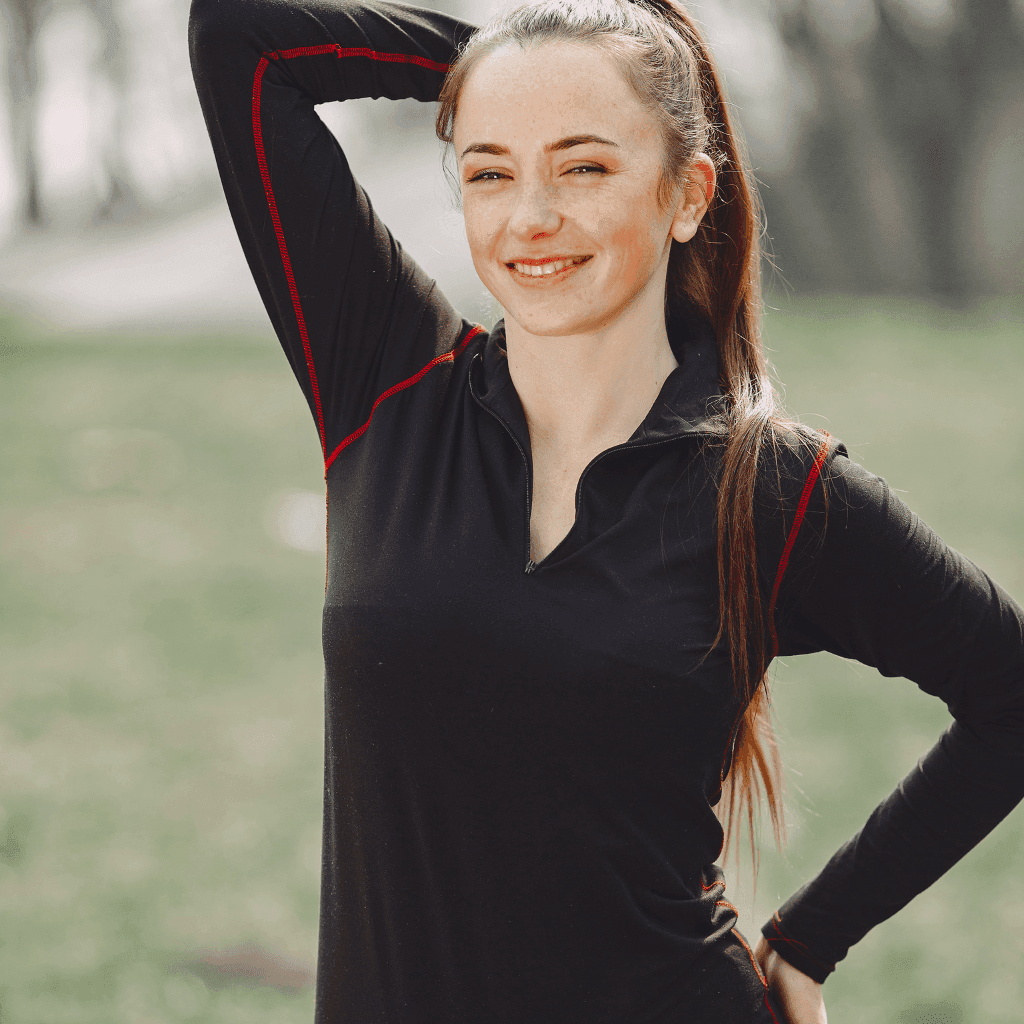
How wicking is tested
- AATCC TM197: vertical wicking, how far and how fast liquid climbs a fabric strip.
- AATCC TM198: horizontal wicking, how far a drop spreads across the fabric.
- AATCC TM201: drying rate, measured on a heated plate.
- AATCC TM195: liquid moisture management, how sweat moves through the fabric from one side to the other.
"Moisture-wicking" on a fabric spec sheet is a claim, not a measurement. Ask the mill for test results, and if you call your garments moisture-wicking, keep the results on file to back the claim up.
Choosing fabric for activewear
- Training tees and running tops: polyester jersey or mesh, often with a little elastane.
- Leggings and sports bras: nylon or polyester with elastane; see spandex vs elastane for how much stretch fibre to use.
- Base layers: polyester, polypropylene or merino.
- Team kits: polyester, which also takes sublimation printing for all-over designs.
At Nevear the minimum is typically 50 pieces per item, samples take 2–3 weeks, and bulk orders usually arrive 3–4 weeks from the order date, shipping included. See our sportswear and leggings pages for the activewear we make.