
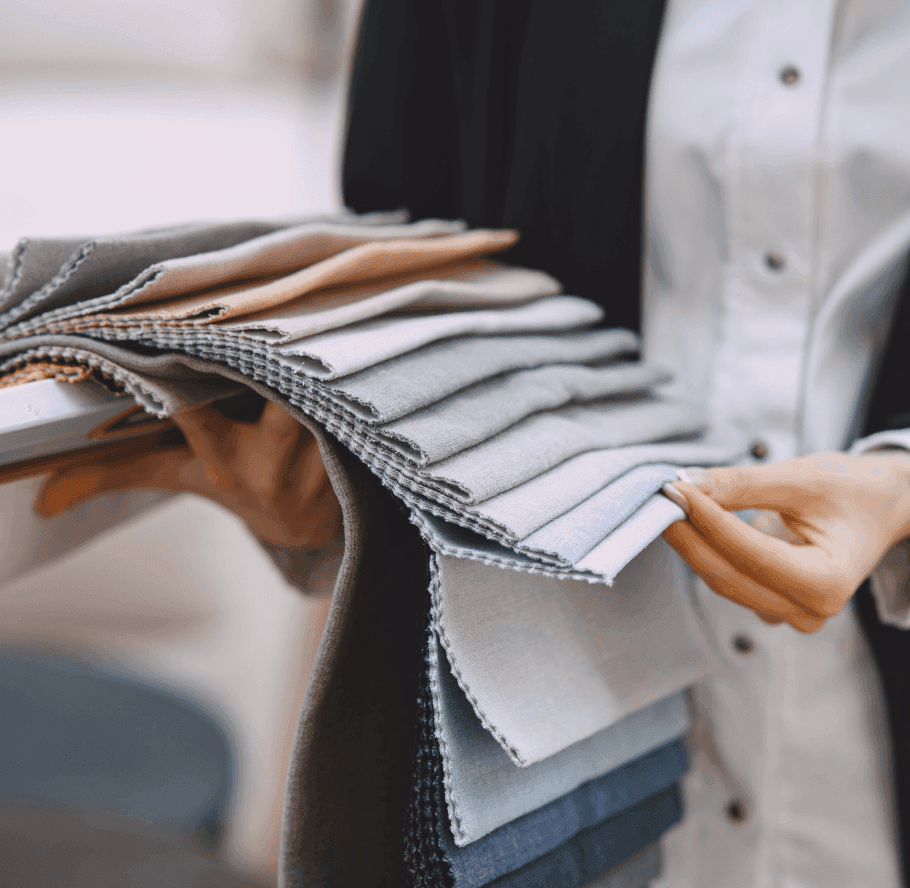
Cotton vs polyester at a glance
Cotton is a natural plant fibre; polyester is a synthetic fibre made from petroleum-based or recycled plastics. Neither is better overall: they suit different garments.
| Cotton | Polyester | |
|---|---|---|
| Feel | Soft and natural | Smooth; can feel slick unless brushed or textured |
| Breathability | High | Lower, though knit structure helps |
| Moisture | Absorbs sweat and dries slowly | Wicks moisture and dries quickly |
| Shrinkage | Shrinks unless pre-shrunk | Very little |
| Shape and wrinkles | Can stretch out and wrinkle | Holds its shape and resists wrinkles |
| Odour | Holds less body odour | Tends to hold body odour more |
| Printing | Ideal for screen printing and DTG | Ideal for sublimation; poor for DTG |
| Heat | Tolerates a hot iron | Can melt or shine under high heat |
| Environmental notes | Water- and pesticide-intensive unless organic | Made from fossil fuels unless recycled; sheds microfibres |
In short: choose cotton for everyday comfort and print quality, polyester for sport, moisture and durability, and a blend when you want some of both.
Cotton blends
| Blend | Typical ratio | Why choose it |
|---|---|---|
| Cotton/polyester (CVC or poly-cotton) | 60/40 or 50/50 | Softer and more shape-stable than pure cotton, shrinks less, prints with a slightly faded look |
| Tri-blend | About 50/25/25 polyester, cotton and rayon | Very soft drape and a vintage feel |
| Cotton/elastane | About 95/5 | Stretch and recovery for fitted tees and leggings |
| Polyester/elastane | About 80/20 to 90/10 | Activewear with stretch, wicking and sublimation printing |
Types of cotton: ring-spun, combed, organic
- Carded cotton: the standard; fibres are cleaned and aligned, leaving some short, fuzzy fibres.
- Combed cotton: combed further to remove short fibres and impurities, for a smoother, stronger yarn.
- Ring-spun cotton: spun on ring frames that twist the fibres tightly, for a finer, softer and stronger yarn than open-end spinning. Combed and ring-spun together is the premium t-shirt standard.
- Organic cotton: grown without synthetic pesticides or fertilisers. To call a product organic, use certified fabric, such as GOTS-certified.
- Pima and Supima: extra-long-staple cottons with long fibres for softness and strength; Supima is a licensed name for American-grown Pima.
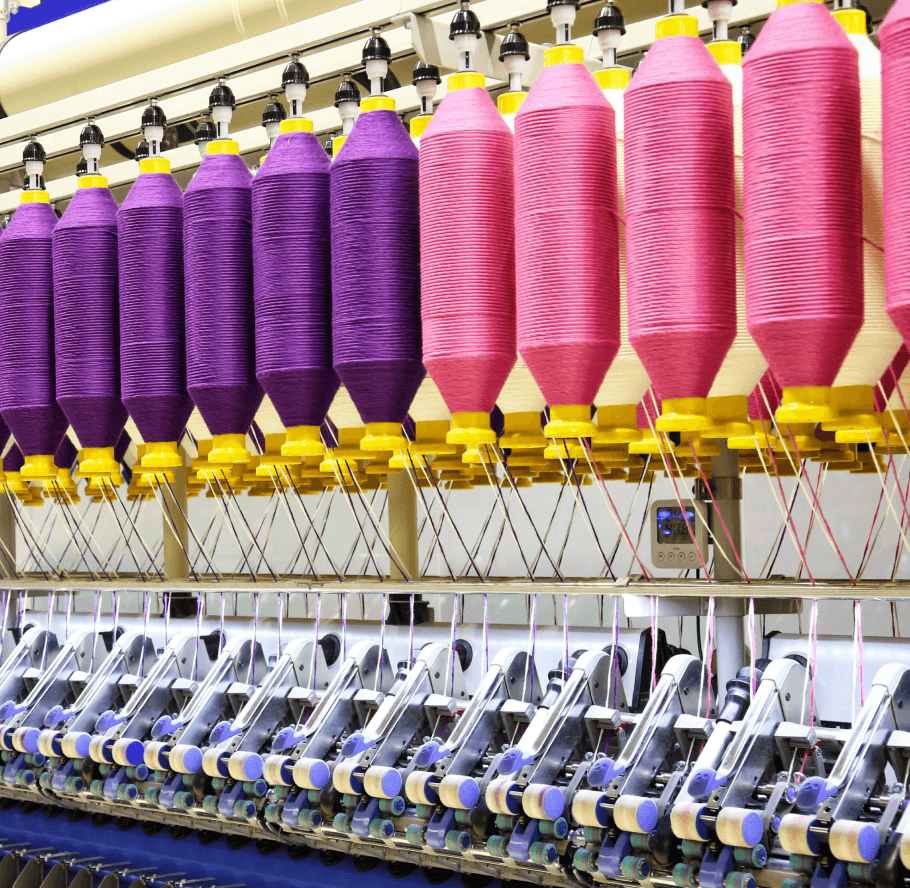
Nylon vs polyester and other synthetics
| Nylon | Polyester | |
|---|---|---|
| Feel | Softer and smoother | Slightly crisper |
| Strength | Very strong and abrasion-resistant | Strong |
| Stretch | More natural elasticity | Less |
| Water | Absorbs a little more, dries a little slower | Absorbs little, dries quickly |
| Sun and chlorine | Less resistant | More resistant to fading |
| Printing | Hard to sublimate | Sublimates well |
| Typical uses | Leggings, swimwear, outerwear shells | Sportswear, team kits, fleece, linings |
- Elastane (spandex, Lycra) adds stretch. A few percent gives comfort; 15 to 25% gives the compression of leggings and swimwear.
- Recycled polyester is made from plastic bottles or textile waste and performs like virgin polyester. GRS certification backs up a recycled claim.
Other fibres worth knowing
- Viscose (rayon): made from wood pulp; drapes beautifully and feels cool, but is weaker when wet.
- Modal and lyocell: wood-based fibres that are stronger and softer than standard viscose; TENCEL is a well-known brand of both.
- Linen: from flax; very breathable and strong, and creases easily.
- Wool and merino: warm, breathable and naturally odour-resistant; needs careful washing.
What GSM means
GSM stands for grams per square metre: the weight of one square metre of fabric. It is the standard way to describe how heavy a knit or woven fabric is. The higher the GSM, the thicker, more opaque and usually warmer the fabric.
Typical fabric weight by garment (GSM)
Weight is not the same as quality. A 180 GSM t-shirt in combed ring-spun cotton can feel better than a 220 GSM one in coarse open-end yarn. Use GSM to set the feel you want, and fibre and yarn to set the quality.
Knit or woven? French terry, fleece and more
Knit fabrics are made from interlocking loops, so they stretch: jersey, rib, interlock, piqué, French terry and fleece. Woven fabrics interlace yarns at right angles, so they are stable: poplin, twill, denim and canvas.
- French terry: a knit with a smooth face and soft loops on the back; breathable and good for hoodies and joggers all year round.
- Fleece: French terry whose inner loops are brushed into a soft pile; warmer and cosier.
- Jersey: the light, smooth knit of most t-shirts.
- Rib: a stretchy knit with vertical ridges, for cuffs, collars and fitted tanks.
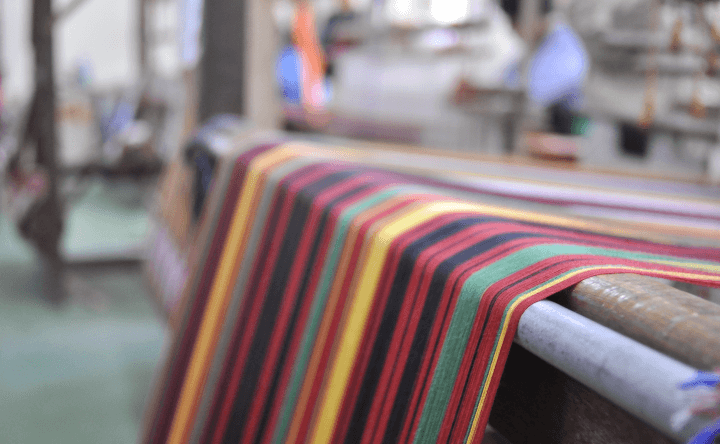
The best fabric for each garment
| Garment | Common choice | Why |
|---|---|---|
| T-shirts | Combed ring-spun cotton or cotton/polyester, 160–220 GSM | Soft, breathable, prints well |
| Hoodies | French terry or fleece, 300–400+ GSM | Warmth and structure |
| Activewear | Nylon or polyester with elastane | Stretch, recovery and wicking |
| Swimwear | Nylon or polyester with elastane, or PBT | Stretch and chlorine resistance |
| Jeans | Cotton denim, 12–14 oz, with 1–2% elastane for stretch | Durability and fit |
| Jackets | Nylon, polyester, wool melton or cotton twill | Wind resistance, warmth or ruggedness |
| Tank tops | Cotton jersey or rib | Light and breathable |
| Skirts | Viscose, cotton poplin or polyester | Drape, structure or pleat retention |
Sustainable fabrics and certifications
- GOTS (Global Organic Textile Standard): certifies organic fibre and how the textile is processed.
- GRS (Global Recycled Standard): certifies recycled content and its chain of custody.
- OEKO-TEX STANDARD 100: certifies that a textile has been tested for harmful substances.
If you make an organic or recycled claim on a label or website, keep the certificates on file. Advertising rules in most markets require environmental claims to be accurate and backed up.
How to choose: a quick checklist
- What will the garment be used for: everyday, sport, swim, outdoors?
- How should it feel: light or heavy, crisp or drapey, stretchy or stable?
- How will it be decorated? Screen printing and DTG suit cotton; sublimation needs polyester.
- How will customers wash it? Pre-shrunk fabric or a blend reduces shrinkage.
- Do you want to make a sustainability claim? Then you need certified fabric.
- Order a sample in the real fabric and wash it a few times before approving bulk production.