
What OEM and ODM mean
OEM stands for original equipment manufacturer and ODM for original design manufacturer. In clothing, the difference comes down to one question: whose design is it?
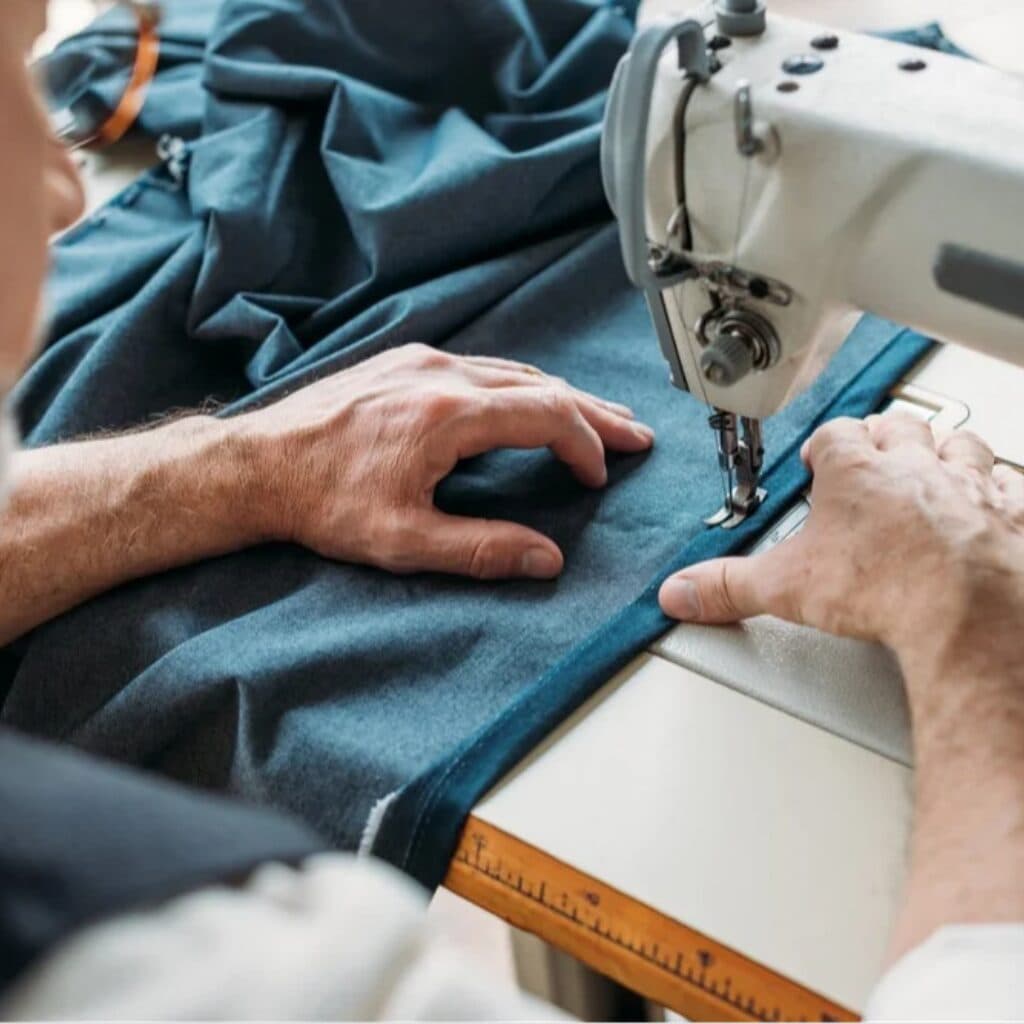
- OEM: you bring the design. You send a tech pack, or a reference garment with notes on what to change. The factory makes a pattern, sources the fabric and sews the garment to your specification. In clothing this is usually called cut and sew.
- ODM: the factory brings the design. It already has styles with finished patterns, fits and fabrics. You choose one, adjust details such as the colour, fabric, trims and labels, and sell it under your brand.
OEM vs ODM at a glance
| OEM | ODM | |
|---|---|---|
| Who designs | You | The factory |
| What you send | A tech pack, or a reference garment with changes | Your choice of style, colours, logo and labels |
| Who owns the design | You, if your contract says so | Usually the factory, which may sell the same style to other brands |
| Development | A new pattern and fit samples for your style | Already done; the sample checks your changes |
| Time to first delivery | Longer: often more than one sample round | Shorter: often one sample round |
| Upfront cost | Higher: pattern-making and samples | Lower |
| How different your product is | Unique to you | Others may sell a similar product |
OBM, private label and white label
- OBM (original brand manufacturer): the company designs, makes and sells products under its own brand. Some factories that started with OEM and ODM work now also sell their own label.
- Private label: clothing made by a manufacturer and sold under your brand. It can be OEM, made to your design, or ODM, the factory's design with your labels. Your own woven labels, hang tags and packaging are what make it yours.
- White label: a generic product, often a ready-made blank, sold to many resellers who each add their own branding. It is quick and the minimums are low, but you have little control over the product itself.
Printing your logo on a blank T-shirt is closer to white label. Having the T-shirt cut and sewn to your own fit and fabric is OEM.
When OEM makes sense
- The product itself sets your brand apart: a fit, a fabric or a detail customers cannot get elsewhere.
- You plan to sell the style for several seasons, so its development cost is spread over many reorders.
- You have a designer or a tech pack, or a garment whose fit you want to match and improve.
- You want to own the pattern and keep the style to yourself.
When ODM makes sense
- You want to test a product or a market quickly, with less money at risk.
- The design is not the selling point, as with a basic tee sold on your branding, price or community.
- You do not have a designer or a tech pack yet.
- You need stock by a fixed date and cannot fit in several sample rounds.
The middle route: start from a reference garment
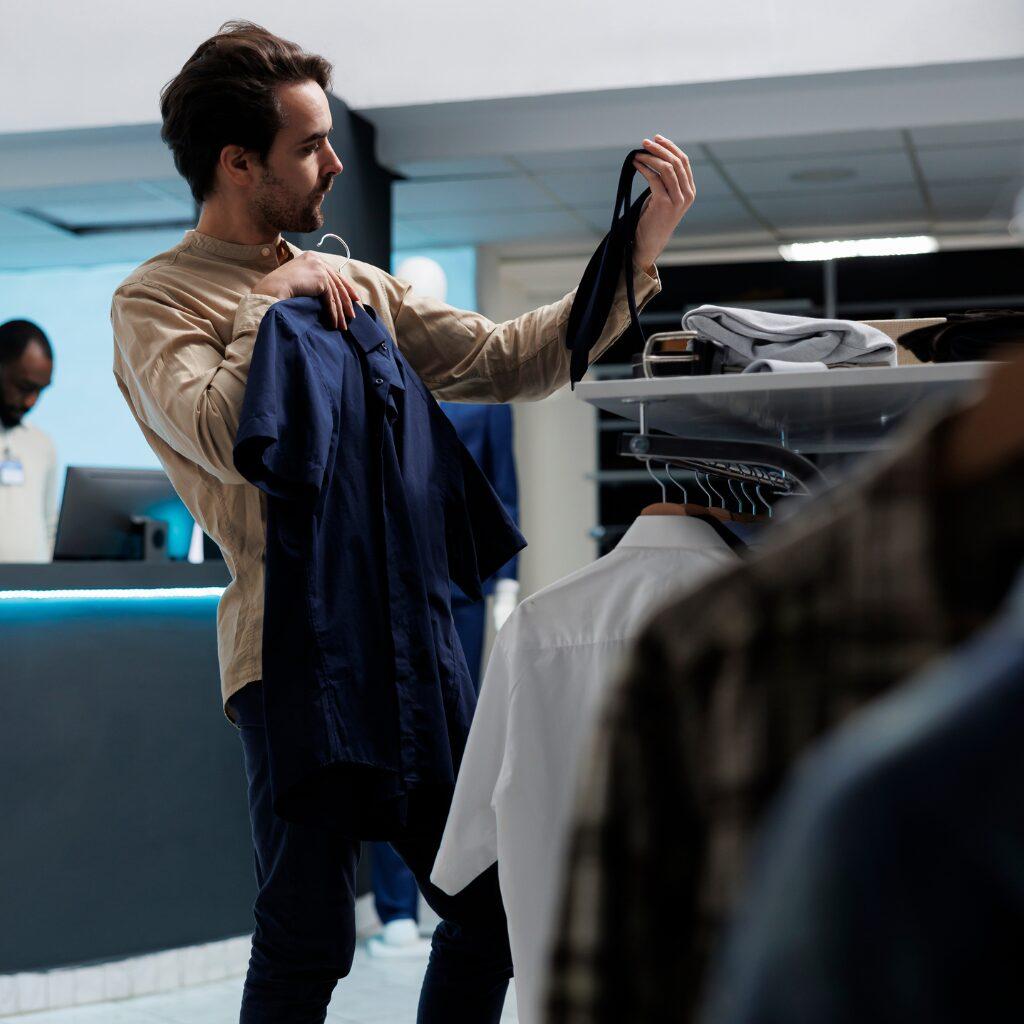
Many brands start between the two. They send a garment whose fit they like and list what to change, such as the length, neckline, fabric or trims. The factory makes a new pattern from it, so the result is your own style. It is closer to OEM, with less design work up front.
Use the reference for fit and construction, not as something to copy. A copy of another brand's design, logo or print can infringe its rights, so make the design your own.
Who owns the design?
Ownership is the difference that matters most later. Under OEM you supply the design, but still agree in writing who owns the pattern, the tech pack and the samples, and that the factory will not make the style for anyone else.
Under ODM the factory usually keeps the rights to its base design and may sell it to other brands. If a style must be exclusive, ask whether that is possible, for how long and at what cost, and put the answer in the contract.
Whichever route you take, register your brand name and logo as trademarks in the countries where you sell.
Cost and timeline
OEM costs more before you sell anything: a pattern for each style and usually more than one sample round. ODM skips most of that, so you reach bulk production sooner. After the first order the gap narrows, because a style you reorder needs no new development.
From sample to delivered order
Sample
2–3 weeks
Bulk order and delivery
3–4 weeks from your order, shipping included
Weeks from the start of sampling
At Nevear, samples typically take 2–3 weeks, and bulk orders are delivered 3–4 weeks from the order date, shipping included. Each extra sample round adds 2–3 weeks, so a complete tech pack is the easiest way to keep an OEM project short. Our MOQ guide explains how the order quantity changes the price per piece.
How we work
Nevear makes clothing to your design. Send a tech pack, or a reference garment with notes on what to change, and we make the pattern, source the fabric and produce your sample, finished with your own labels, hang tags and packaging.
The minimum is typically 50 pieces per style. We produce through partner factories in the US, the UK, Pakistan and China, from a first run to around 50,000 pieces in a single shipment. See our private label and cut and sew pages, or read how to find a clothing manufacturer to compare quotes.