
Sublimation Printing
Sublimation printing dyes a design into polyester fabric with heat, so the print becomes part of the fabric instead of a layer on top. Nevear makes sublimated sportswear, team kits, swimwear and activewear for brands, from 50 pieces per style to around 50,000 pieces in a single shipment.
Here is how sublimation works, what it needs, how it compares with other print methods, and how to order.
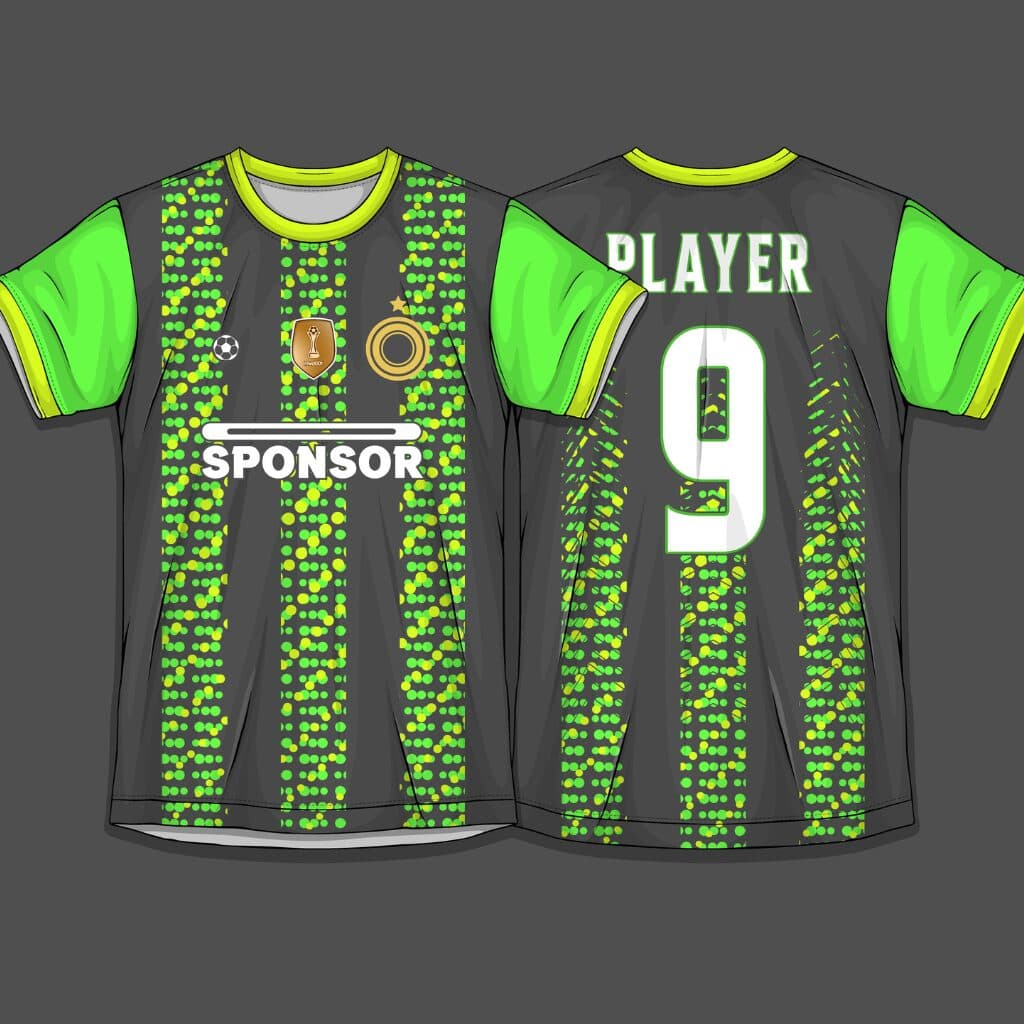
- Minimum order
- Typically 50 pieces per style
- Lead time
- Samples 2–3 weeks; bulk 3–4 weeks from order
- Fabric
- Polyester or polyester-rich, white or light
- Full colour and all-over, with no feel
How sublimation printing works
The design is printed with sublimation inks onto transfer paper. The paper goes onto the fabric in a heat press at around 200 °C, and the heat turns the ink into a gas that bonds with the polyester fibres. As the fabric cools, the dye is locked inside them. The name comes from sublimation: a solid turning straight into a gas.
Because the dye ends up inside the fibres, there is nothing on the surface to feel, crack or peel. The fabric stays as soft and breathable as it was, which is why sublimation is the standard for sportswear and swimwear.
There are two ways to apply it. For all-over designs, the fabric or the cut panels are printed edge to edge before the garment is sewn, so the pattern runs across every seam with no gaps. A finished garment can also be pressed, which suits a single placement, but the press can leave unprinted lines at seams and creases.
What sublimation needs
- Polyester. Sublimation dye bonds with polyester, not cotton. 100% polyester gives the brightest colours; on a blend only the polyester takes the dye, so a 50/50 blend looks faded. Our polyester vs nylon guide explains why nylon is harder to sublimate.
- A white or light base. The inks are transparent and there is no white ink, so a lighter colour cannot be printed onto dark fabric. Dark backgrounds are part of the printed design instead.
- Fabric and trims that take the heat. The press runs hot, so the fabric, zips and other trims are chosen to withstand it.
Sublimation vs DTF and screen printing
| Sublimation | DTF | Screen printing | |
|---|---|---|---|
| Fabrics | Polyester, white or light | Cotton, polyester and blends, any colour | Most fabrics, any colour |
| Print area | All-over, edge to edge | Up to the size of the transfer | One placement per screen set |
| Feel | None: the dye is in the fibre | A thin layer on top | Ink on top, or soaked in with water-based ink |
| Colours | Unlimited, including photos and gradients | Unlimited | A few solid colours; each adds a screen |
| Durability | Cannot crack or peel | Can crack or peel if pressed badly | Can crack if under-cured |
| Best for | Sportswear, team kits, swimwear, all-over prints | Small runs, mixed fabrics | Larger runs of simple designs on cotton |
For cotton garments, see our guides to DTF vs screen printing and screen printing vs DTG.
What we sublimate
- Team kits and jerseys for football, basketball and other sports; see our sportswear page.
- Training tops, shorts and leggings in polyester with elastane; see leggings and shorts.
- Swimwear in polyester or PBT, which holds its colour in chlorine; see swimwear.
- All-over print t-shirts and fashion pieces in polyester.
Designing for sublimation
- Send high-resolution artwork at the printed size, or vector files, with the pattern laid out for each panel if you have it.
- Approve colour on fabric. Screens and fabric show colour differently, so check the colours on the sample and give Pantone references for anything that must match.
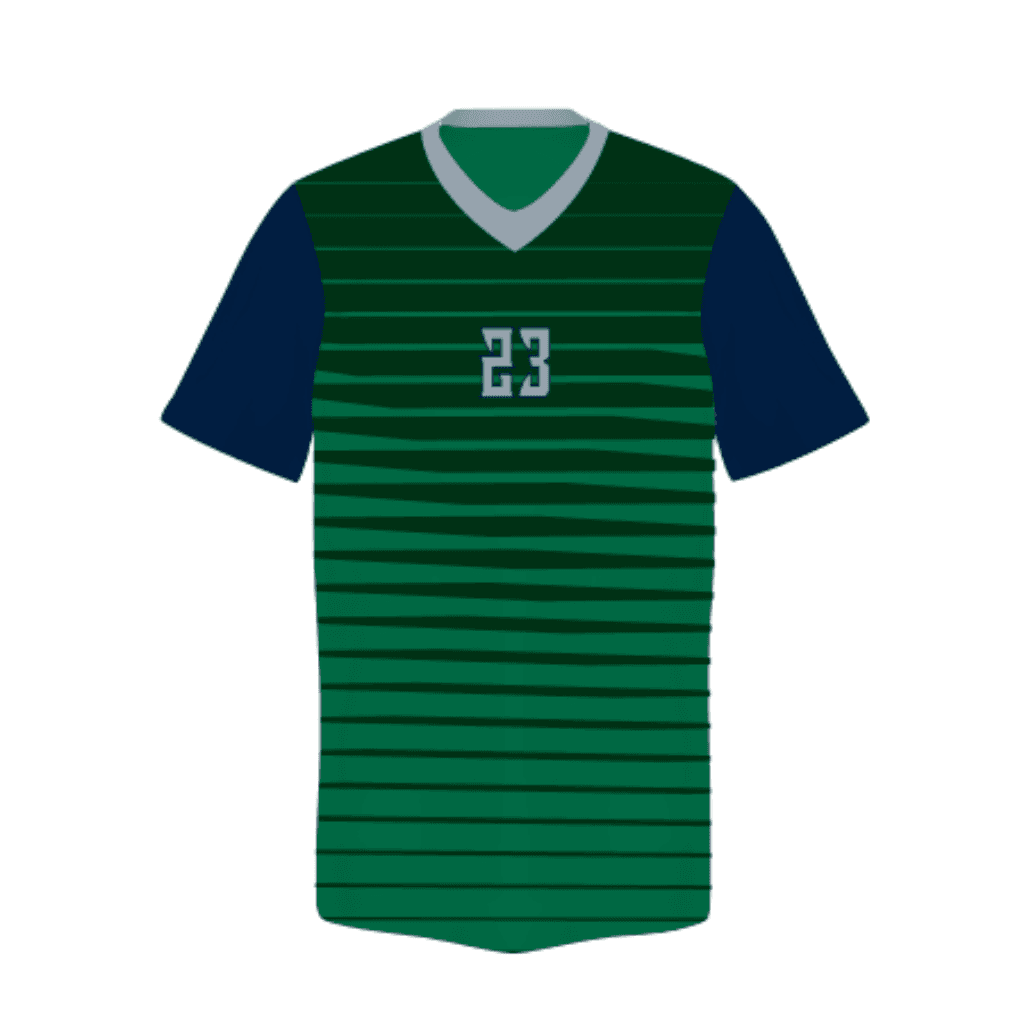
- Keep key details away from seams, so logos and numbers are not cut through when the panels are sewn.
- Design dark backgrounds into the print rather than asking for dark fabric.
How an order works
- Send your designs, the garments and fabric you have in mind, and quantities per size.
- We confirm the minimum, price, production country and timeline in your quote.
- We make a sample in 2–3 weeks so you can check the colours, fit and fabric.
- Once you approve it, the bulk order usually arrives 3–4 weeks from the order date, shipping included.
Frequently asked questions
What is sublimation printing?
A printing method that uses heat to turn special inks into a gas that bonds with polyester fibres. The design becomes part of the fabric, so it has no feel and cannot crack or peel.
Can you sublimate on cotton?
No. Sublimation dye only bonds with polyester. On a cotton/polyester blend only the polyester takes the dye, so the print looks faded. Cotton garments are better screen printed, DTG printed or DTF printed.
Can you sublimate on dark fabric?
Not usefully. The inks are transparent and there is no white ink, so they cannot print a lighter colour onto dark fabric. Dark areas are printed as part of the design on white or light fabric instead.
Does a sublimated print crack or fade?
It cannot crack or peel, because the dye is inside the fibres rather than on top. Washing it inside out and avoiding very hot tumble drying keeps the colours bright.
What is the minimum order for sublimated clothing?
Typically 50 pieces per style. The exact minimum depends on the product and fabric, and is confirmed in your quote.
Ready to make your sublimated clothing?
Tell us the style, fabric and quantity. We will confirm the minimum, a sample timeline and the price per piece in your quote.