
Custom T-Shirt Manufacturer
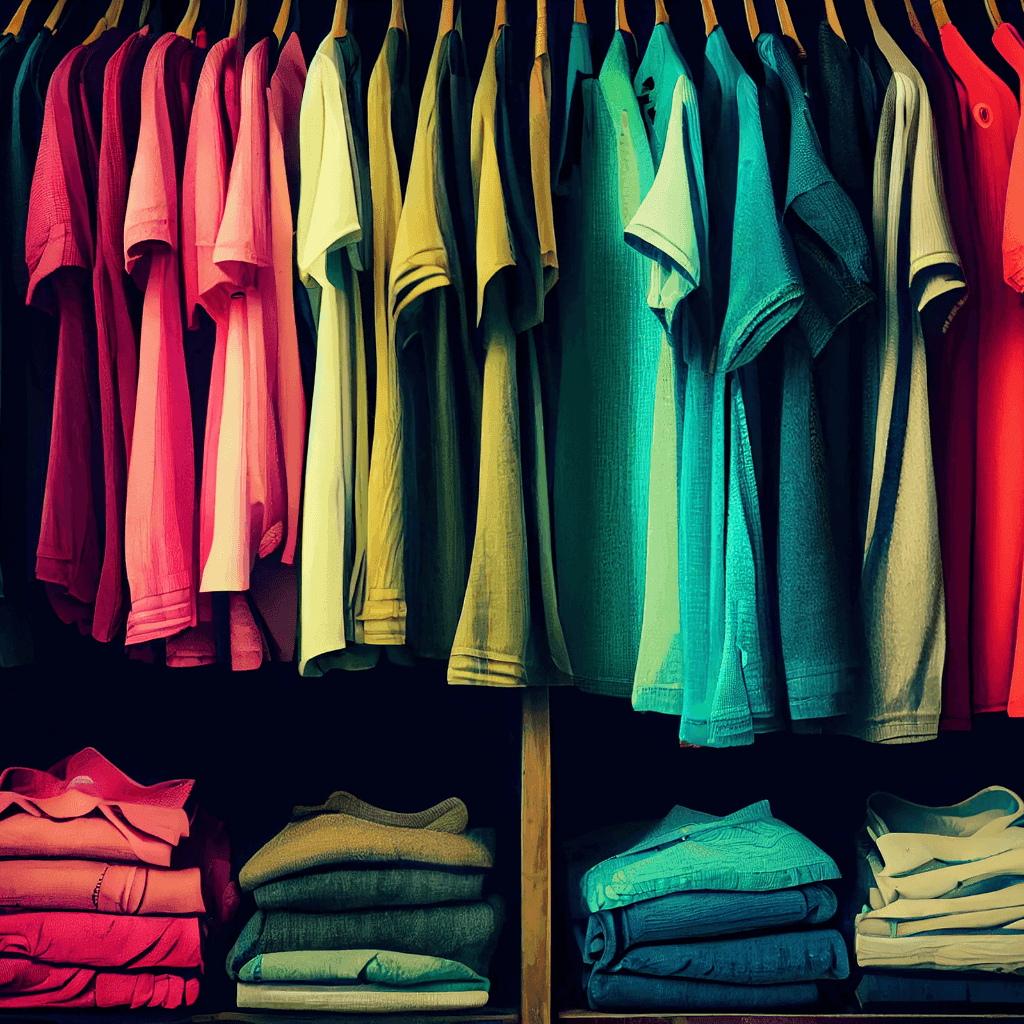
Nevear makes custom t-shirts for clothing brands, from a first run of 50 pieces per style to bulk orders of around 50,000 pieces in a single shipment. You choose the fit, fabric, weight and branding; we handle sampling and production.
Below is what you can specify, from fabric weight to print method, so you can brief us with confidence.
- Minimum order
- Typically 50 pieces per style
- Fabric weights
- About 140 to 300 GSM jersey
- Branding
- Screen print, DTG, puff print, embroidery
- Lead time
- Samples 2–3 weeks; bulk 3–4 weeks from order
T-shirt styles we make
- Classic crew neck, in regular or slim fits.
- Oversized and boxy, with dropped shoulders and a wider body, usually in heavier fabric.
- V-neck, longline and cropped cuts.
- Long sleeve and raglan tees.
- Pocket tees and ringer tees with contrast neck and sleeve bands.
- Kids' and youth sizes alongside adult runs.
Send a reference garment or a measurement chart. A size spec in the tech pack is what makes a fit repeatable from one run to the next.
Fabrics and weights
| Fabric | Feel and use | Typical weight |
|---|---|---|
| Combed ring-spun cotton | Soft and smooth; the standard for printed brand tees | 160–220 GSM |
| Heavyweight cotton jersey | Structured and opaque, for boxy streetwear fits | 220–300 GSM |
| Organic cotton | Feels like conventional cotton; ask for certified fabric if you want to call it organic | 160–240 GSM |
| Cotton/polyester blend | Less shrinkage, a softer hand and a slightly faded look when printed | 150–200 GSM |
| Tri-blend (cotton, polyester, rayon) | Very soft drape and a vintage feel | 130–170 GSM |
| Polyester performance jersey | Moisture-wicking, for sports tees; takes sublimation | 130–180 GSM |
GSM means grams per square metre: the higher the number, the heavier and more opaque the fabric. As a rough guide, under 160 GSM feels light, 160 to 200 GSM is an everyday tee, and over 220 GSM reads as a premium heavyweight.
Construction details to decide
- Neck rib. Its width, and whether it has a little elastane so the neckline springs back.
- Shoulder tape. Tape across the back neck and shoulders stops the neckline stretching out.
- Side seams or tubular body. Side-seamed bodies hold their shape and allow fitted cuts.
- Hems. Double-needle hems on the sleeves and body, or raw edges for a deliberate look.
- Finishing. Pre-shrunk fabric, an enzyme wash for softness, or garment dyeing after sewing for a lived-in color. Garment-dyed tees shrink more, so the pattern allows for it.
Printing, embroidery and labels
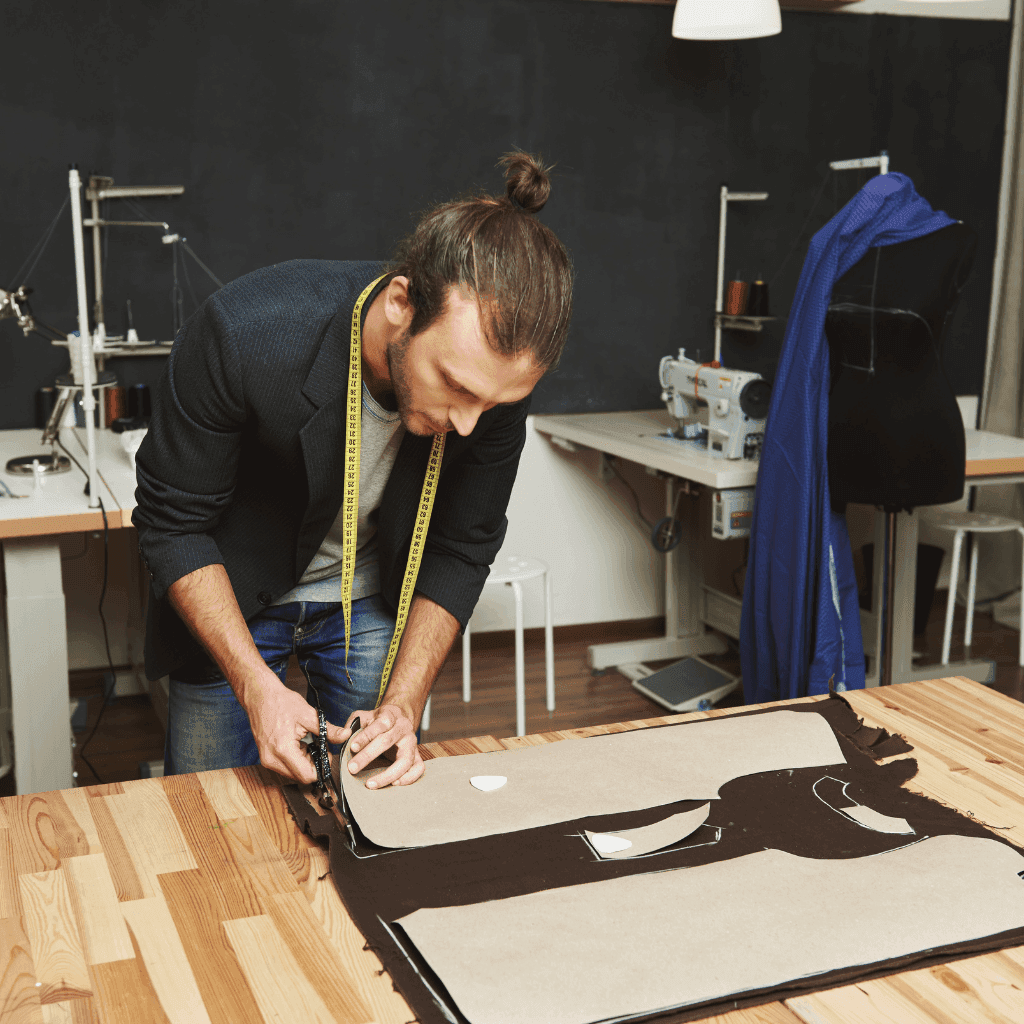
| Method | Best for | Notes |
|---|---|---|
| Screen printing | Bold artwork in a few colors, larger runs | Each color needs its own screen, so cost rises with colors and falls with quantity |
| DTG (direct to garment) | Full-color or photographic artwork, small runs | Best on cotton; no screens to set up |
| Puff print | Raised, textured logos | A screen-printed ink that expands with heat |
| Discharge printing | Soft prints on dark cotton | Removes dye from the fabric instead of sitting on top |
| Embroidery | Small chest logos and a premium look | Priced by stitch count; very fine detail does not stitch well |
| DTF or heat transfer | Detailed multicolor logos on mixed fabrics | A printed film pressed onto the garment |
| Sublimation | All-over prints on light polyester | Does not work on cotton |
For private label, replace the neck label with your own woven or printed label, add your care and fibre label, and finish with hangtags and polybags.
Minimums, samples and pricing
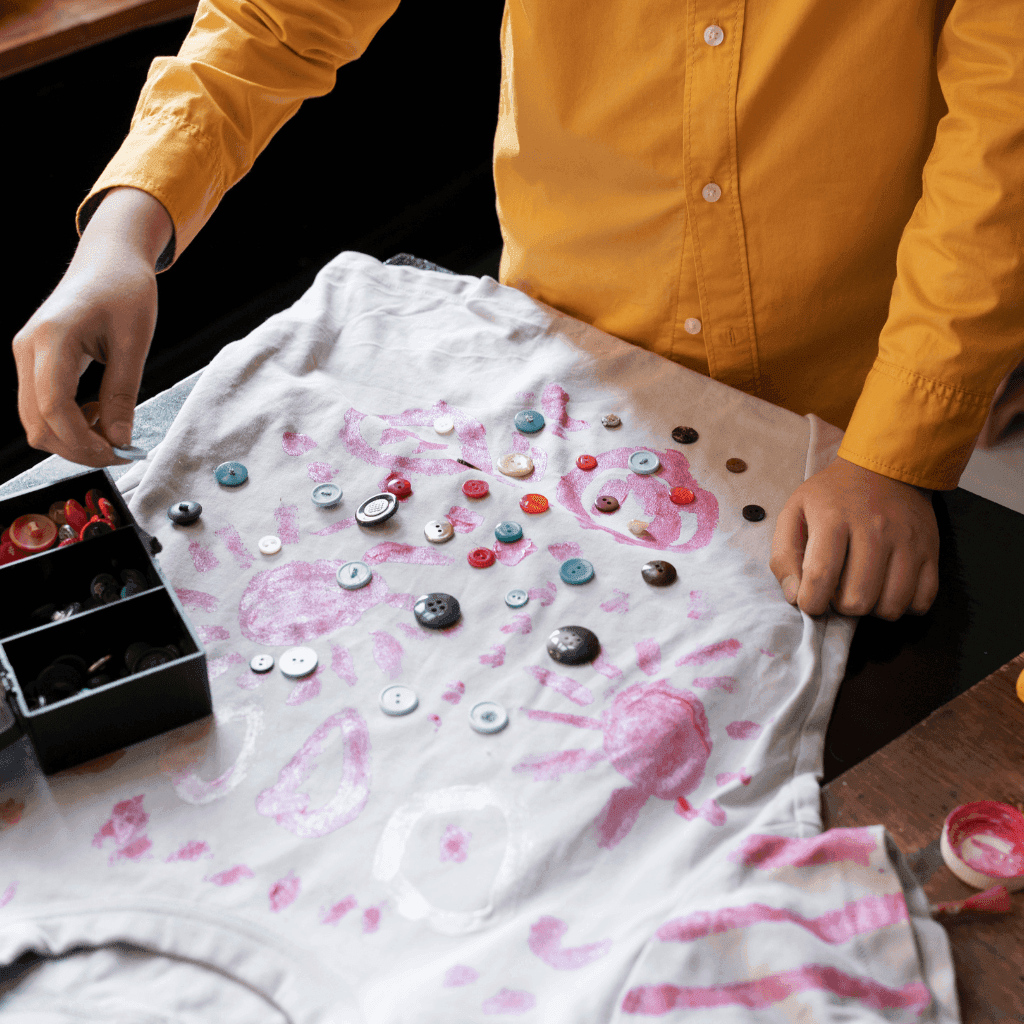
Our minimum is typically 50 pieces per style. The exact minimum depends on the fabric and process and is confirmed in your quote; stock fabric colors keep it low, while custom-dyed fabric usually carries a mill minimum.
The price per piece depends mainly on the fabric and its weight, the quantity, the number of print colors or the stitch count, and your labels and packaging. Read what MOQ means for how order size changes the price, or see how our pricing works.
Tech pack checklist for t-shirts
- Fit reference garment or a measurement chart for every size
- Fabric composition and weight (GSM)
- Colors, ideally as Pantone references
- Neck rib width and any shoulder tape
- Artwork as vector files, with print method, size and placement
- Label positions: neck label, care label, any hem or sleeve labels
- Size range and quantity per size
- Packaging: folding, polybags, hangtags
Our sampling and tech pack guide explains each part in more detail.
Frequently asked questions
What is the minimum order for custom t-shirts?
Typically 50 pieces per style. The exact minimum depends on the fabric and production process, and is confirmed in your quote.
What GSM is best for a t-shirt?
It depends on the look you want. 160 to 200 GSM suits an everyday tee, 220 GSM and above gives the structured heavyweight feel popular in streetwear, and lighter fabrics suit summer and sports tees.
Should I choose screen printing or DTG?
Screen printing is usually best for artwork in a few solid colors and for larger runs. DTG suits full-color or photographic designs and small quantities, because there are no screens to set up.
Can you put my own labels in the t-shirts?
Yes. We make private label t-shirts with your own neck labels, care labels, hangtags and packaging.
How long does a sample take?
Samples typically take 2–3 weeks, and the sample cost is stated in your quote. Once you approve the sample, bulk orders are usually delivered 3–4 weeks from the order date, including shipping.
Ready to make your t-shirts?
Tell us the style, fabric and quantity. We will confirm the minimum, a sample timeline and the price per piece in your quote.